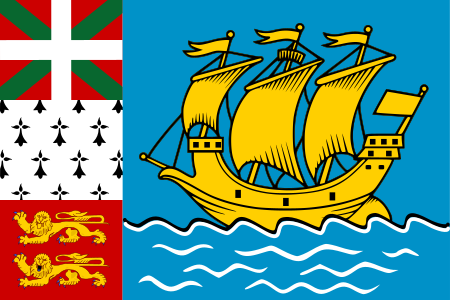
Saint Pierre and Miquelon
This unofficial flag features the Grande Hermine ship and a hoist with the flags of the Basque Country, Brittany, and Normandy.
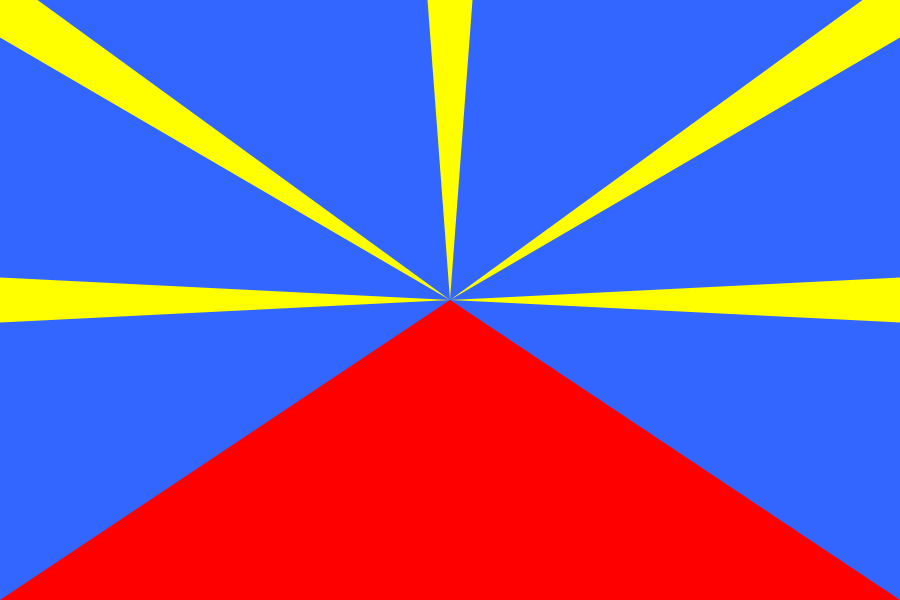
Réunion
2nd favorite flag. The National flag is the French Tricolore, but this unofficial 1975 one is widely-accepted. Called Lo Mahavéli, it shows a radiant volcano.
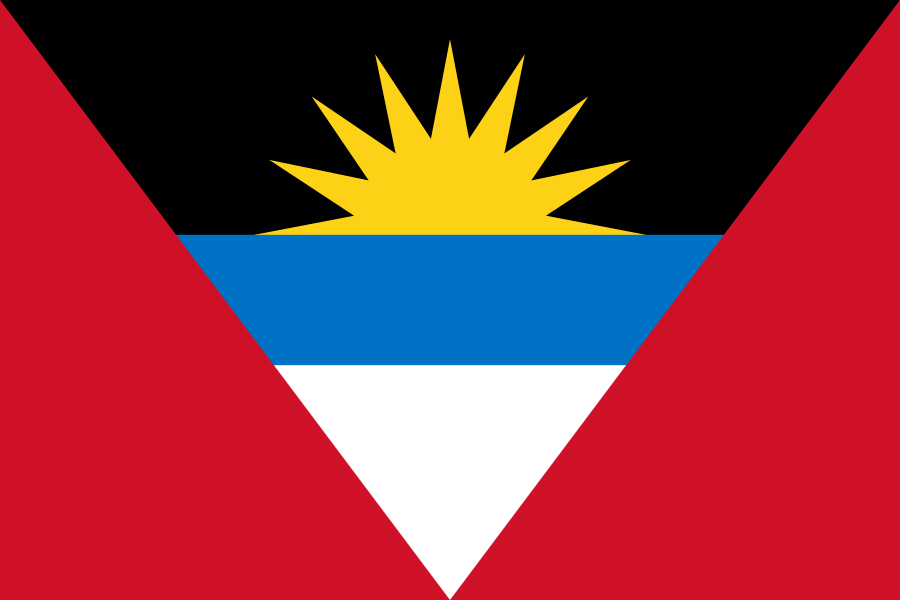
Antigua and Barbuda
3rd favorite flag. The seven rays represent the six parishes of Antigua plus the island of Barbuda. Adopted on 27 February 1967, marking the dawn of self-government.
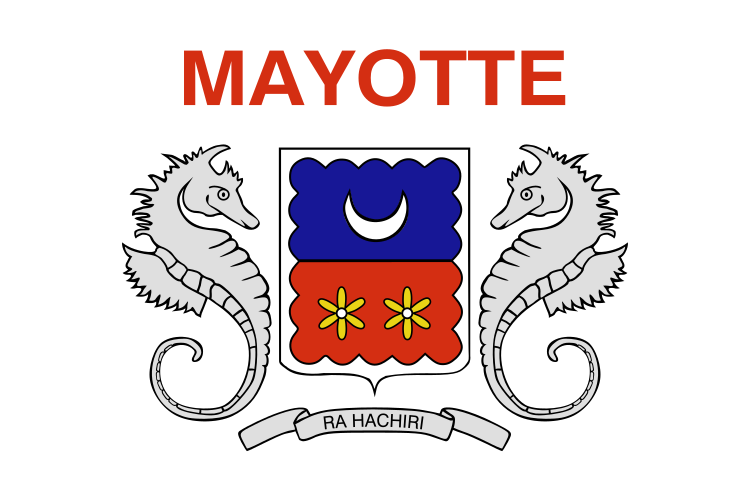
Mayotte (Unofficial)
Flags that have country names on them are fantastic. The white crescent represents the Islamic faith of the Mahorais people. The two flowers are ylang-ylang flowers.Ra Hachiri is Shimaore for "We are vigilant"
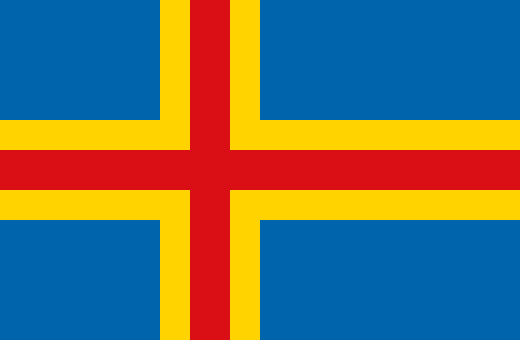
Åland Islands
My favorite Nordic Cross flag, adopted in 1954. The design was created to balance the linguistic/cultural affinity of the islanders toward Sweden with its administrative status belonging to Finland.
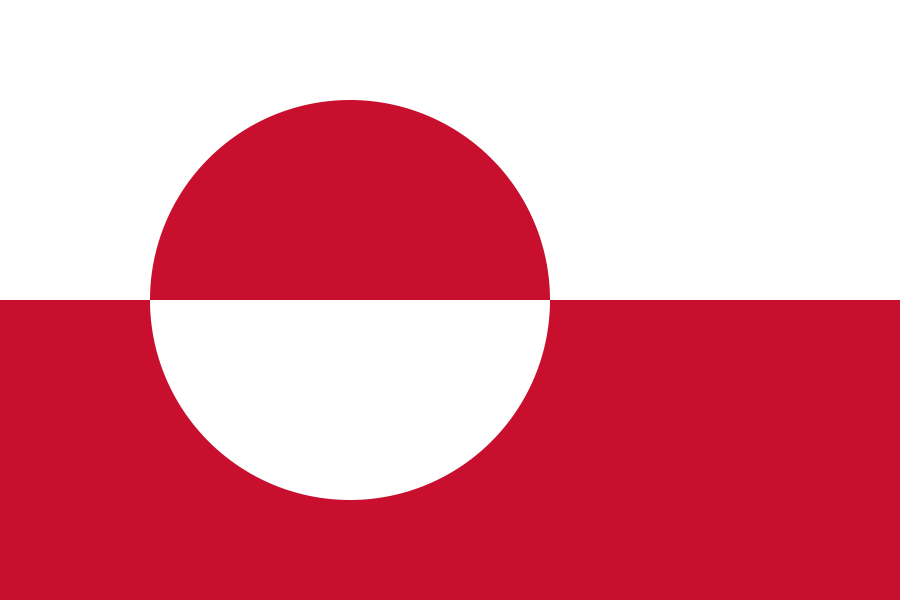
Greenland
Named Erfalasorput in Greenlandic, meaning "our flag". White represents glaciers and the ice cap; red represents the waters of Baffin Bay and the Atlantic Ocean. So beautiful.
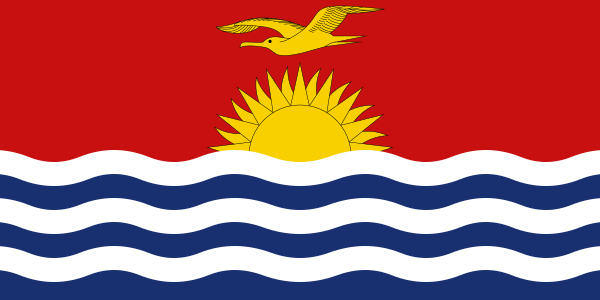
Kiribati
I like squiggly lines on flags. The three wavy white stripes alternating with three blue stripes represents the Pacific Ocean and the nation's 3 main island groups: the Gilbert, Phoenix, and Line Islands.
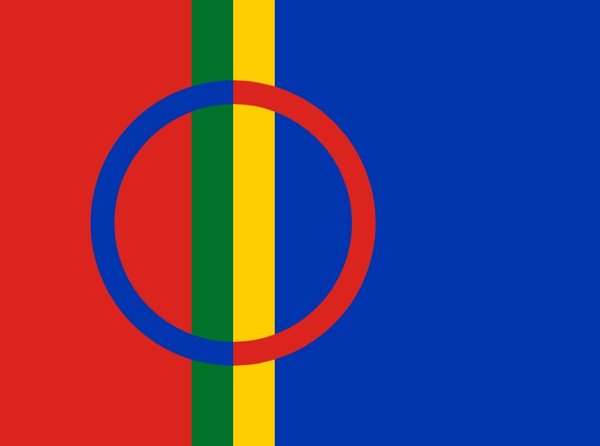
Sámi Flag
Approved in 1986 and designed by artist Astrid Båhl; a flag for the Sámi people, the indigenous population of the northern regions of Norway, Sweden, Finland, and Russia.
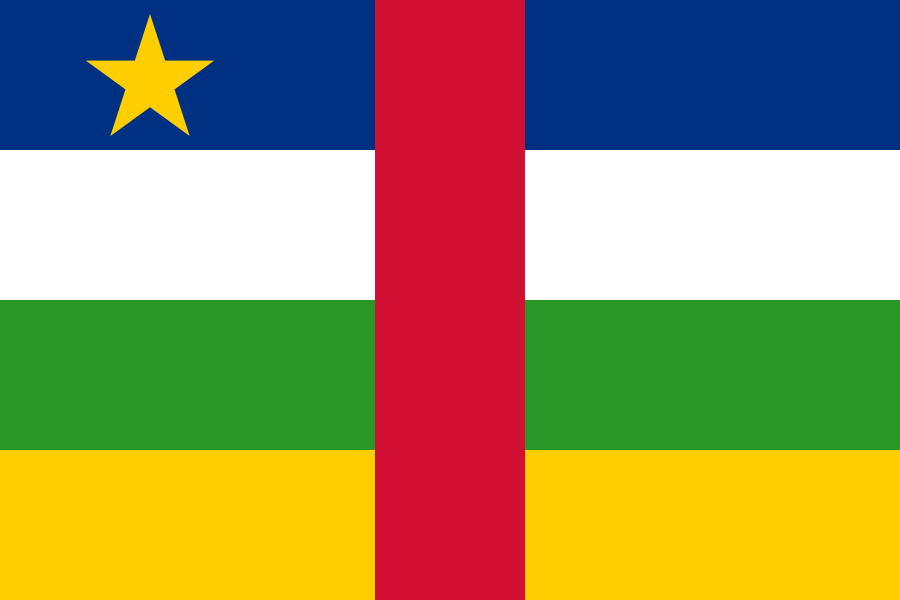
Central African Republic
This flag combines the colors of the French Tricolore with traditional Pan-African colors. Designed by the country's first president, Barthélemy Boganda
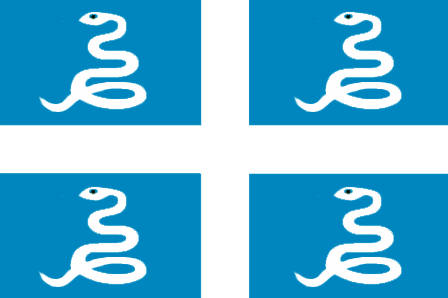
Martinique
Unofficial 'snake flag,' dating to an edict of 1766. Martinique's actual official flag (since 2023) is red, green, and black.
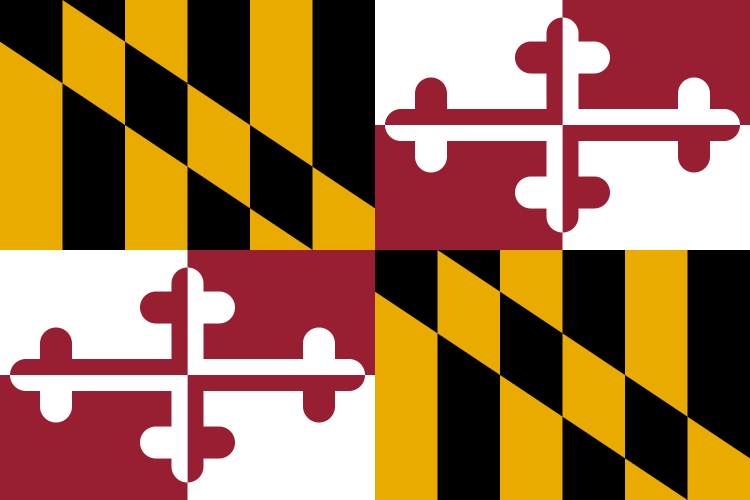
Maryland
This one is a combination of the coat of arms of the Calvert and Crossland families, key founders of the Maryland colony. Adopted in 1904
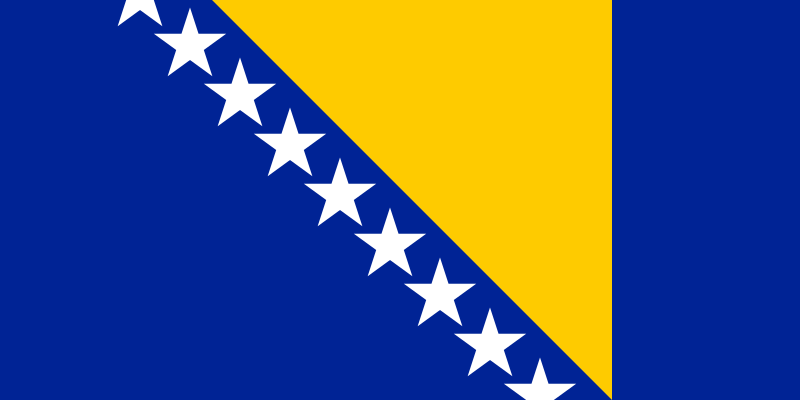
Bosnia and Herzegovina
The triangle represents the shape of the territory of Bosnia and Herzegovina. The stars that cut off are intentionally so to represent being infinite in number.
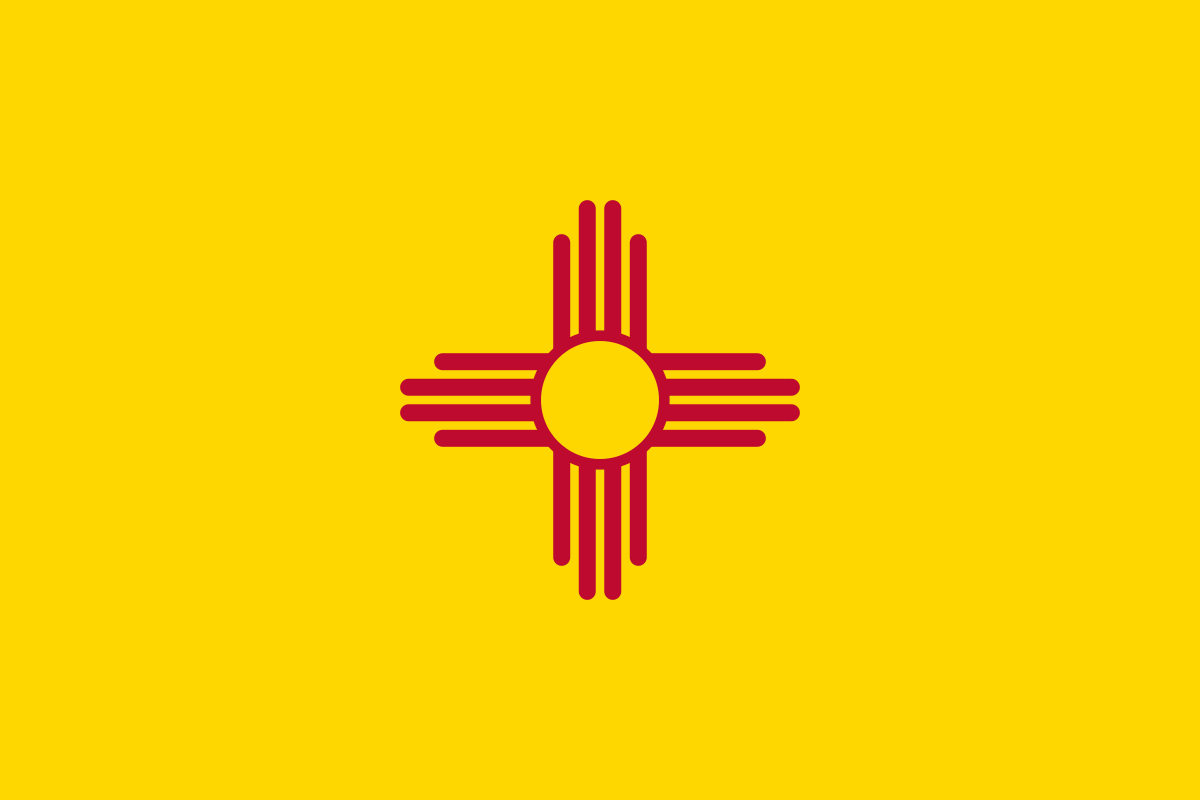
New Mexico
Lovely, with the Zia Sun symbol. The rays are grouped in sets of four, representing the seasons, times of day, cardinal directions and stages of life.
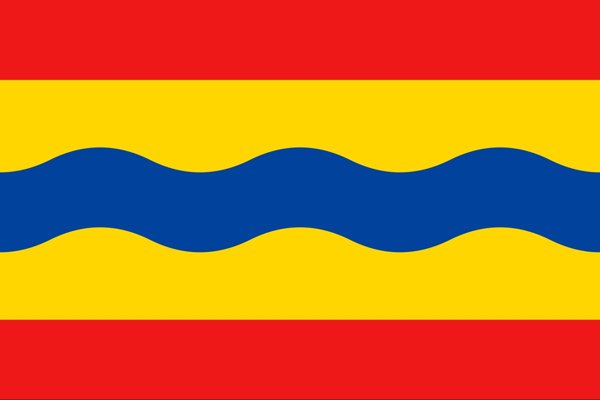
Overijssel
Another good one with a squiggly blue line - this time representing the IJssel River. Adopted on 21 July, 1948.
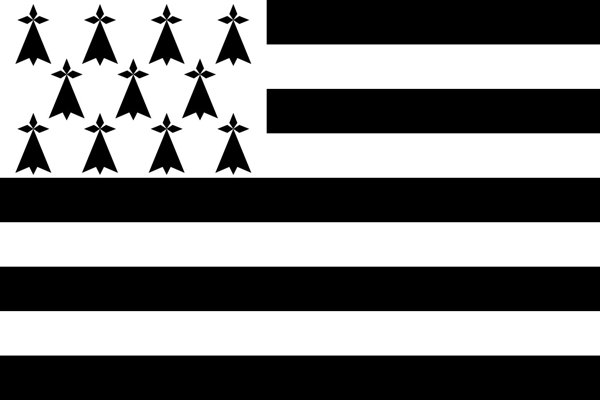
Brittany
The flag is known as Gwenn-ha-du (Breton for "white and black"). Created in 1923 by Morvan Marchal, who was heavily inspired by the United States flag.
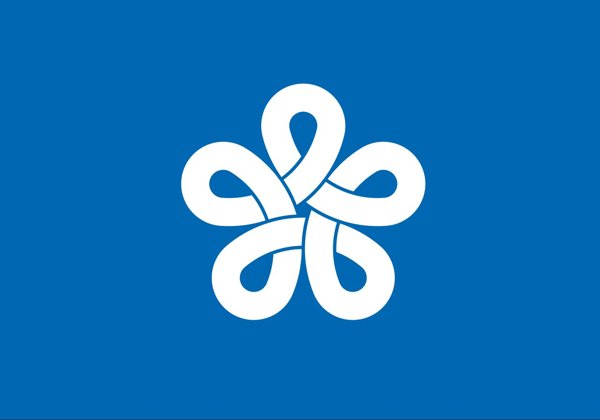
Fukuoka
This is the prefectural flower, the plum blossom (ume). Announced on May 10, 1966. Most Japanese prefectural flags look like logos, and are quite worth looking up!
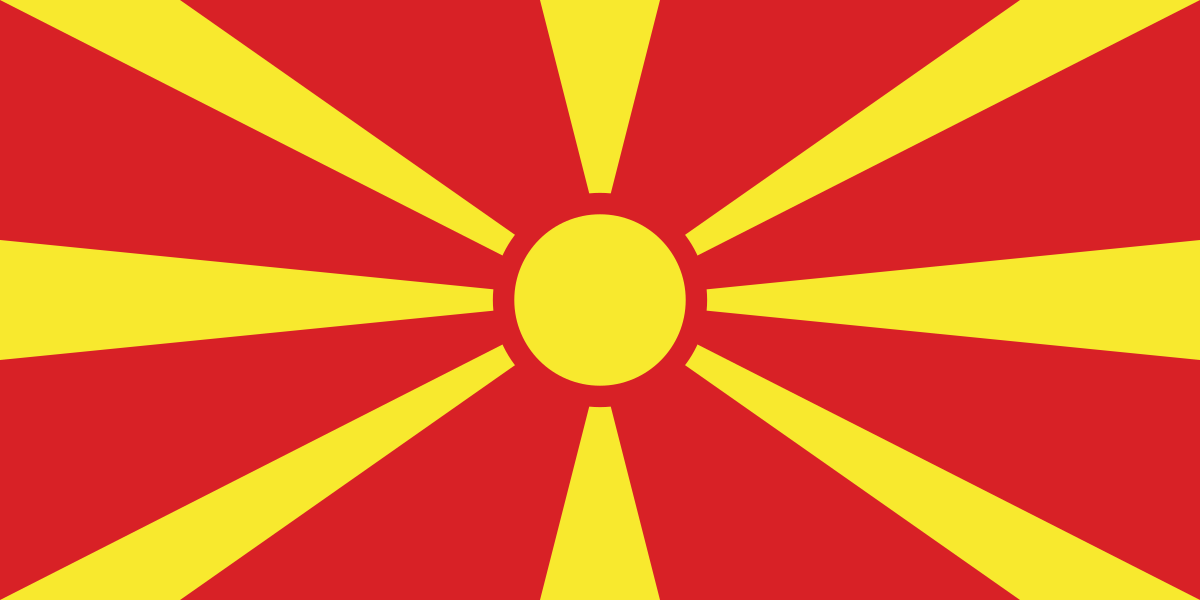
North Macedonia
Absolutely gorgeous. Designed by Miroslav Grčev; adopted on 5 October 1995.
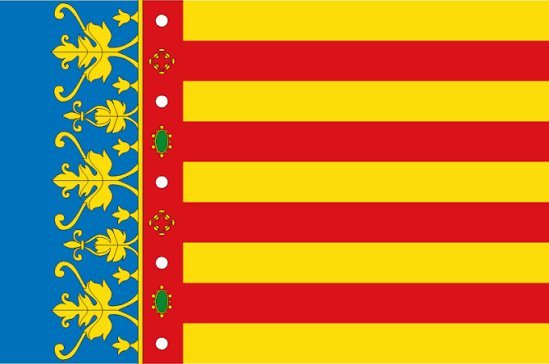
Valencia
The yellow and red bars (Senyera) are a heraldic symbol of the ancient Crown of Aragon. Legend claims the red stripes were created when King Wilfred the Hairy wiped his bloody fingers across a golden shield.
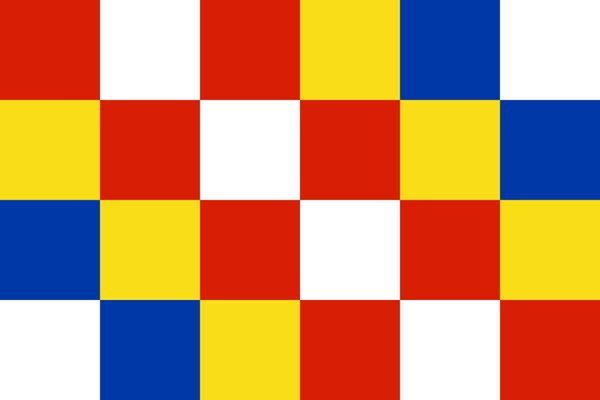
Province of Antwerp
Adopted in 1997. It follows the historic Brabant tradition of chequered flags. The colors represent the province's three most important administrative districts.
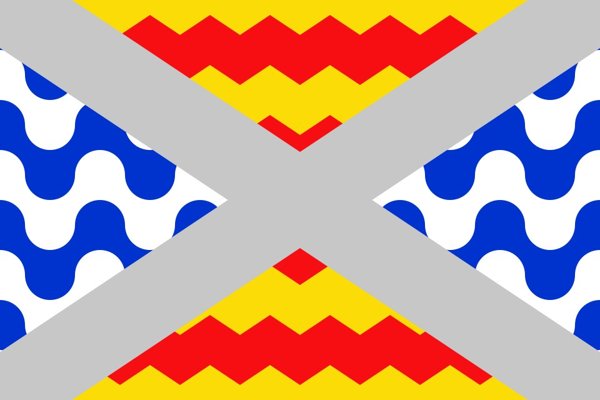
Swieqi, Malta
The central silver saltire (cross) represents St. Andrew. The blue and white waves represent water trenches, and pays homage to the root of the word "Swieqi" (from the Maltese word saqa), which means "water flow channels".
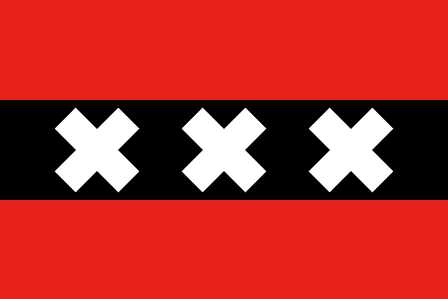
Amsterdam
Three St. Andrew's Crosses in the middle, and the design stems from the escutcheon in the coat of arms of Amsterdam. Adopted in 1975, although the coat of arms dates from the 16th Century.
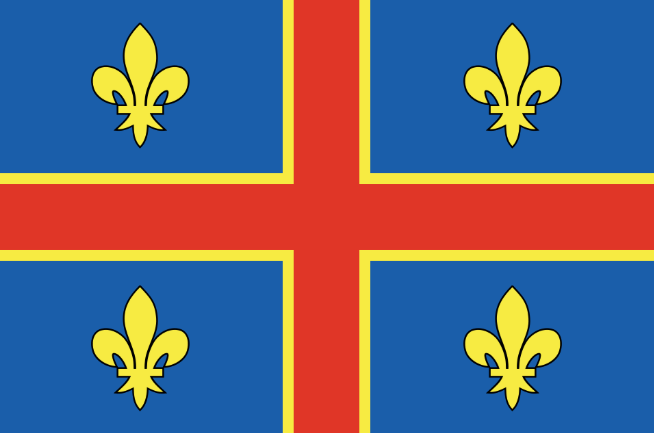
Clermont-Ferrand
The flag of the capital of the Auvergne region in central France. The four fleur-de-lis symbols represent the city's ties to the French monarchy and the Catholic Church.